Building a subscription manager app to help prosumers in tech save money
Orbit
Overview
Orbit is an app I started in my spare time working at Gather. I built it for 6 months, launched a 3-month beta program with customers refining the experience, and launched in January earlier this year to 3,500 people on the waitlist. Then 3 months later, I went all-in to grow the product in April.
Background
On a sabbatical in 2023, I noticed how many subscriptions I was paying for — and had no idea how much they really cost over time.
Problem space
Vision
Finance is boring. Really boring, and stressful. This gatekeeps people from improving their financial literacy and makes it inaccessible to so many.
Could I create a finance app so painstakingly simple and beautiful that it saves people $200 a year? More Apple Notes than another Excel sheet.
Impact
6 months later, I was blown away to read it did just that.
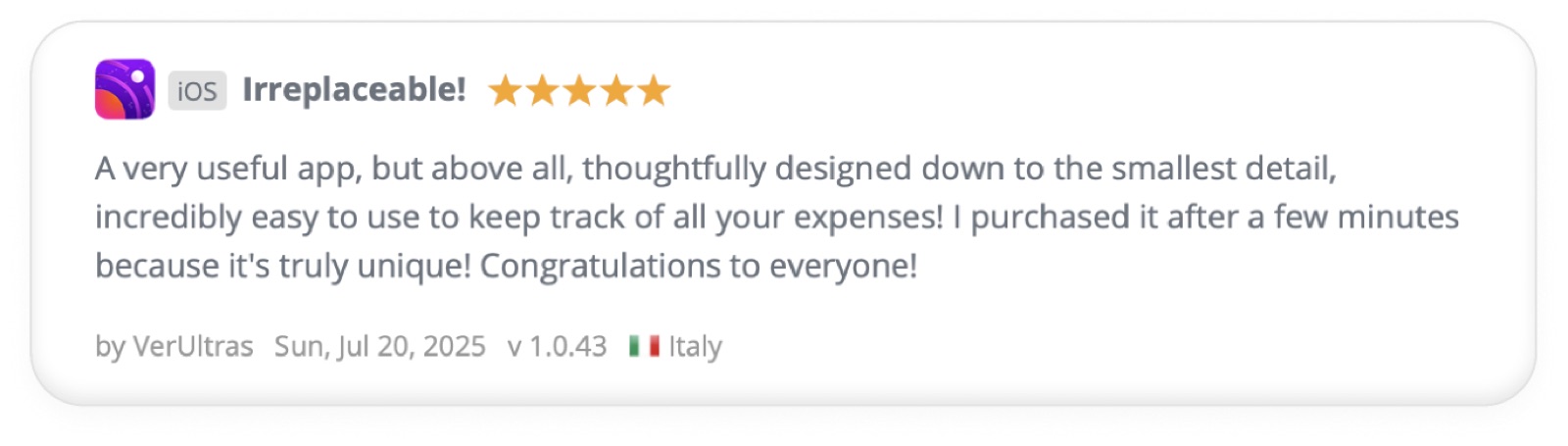
In September, Apple featured Orbit twice — a dream come true as a designer. It felt like a big moment after all the hard work: after 14 projects, I finally had one which had real traction.
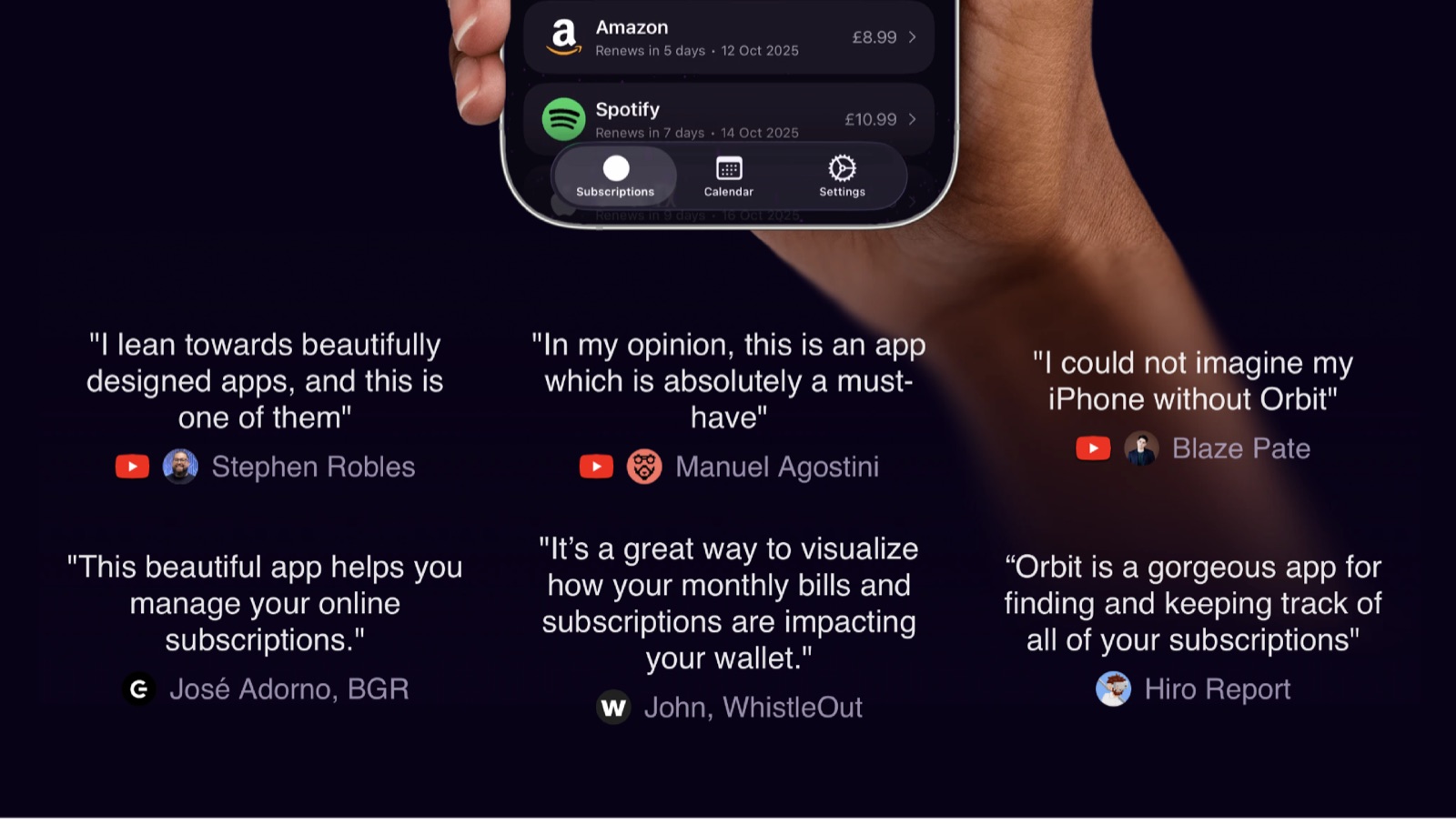
It was great to see so much feedback from the tech community whilst I was building in public.
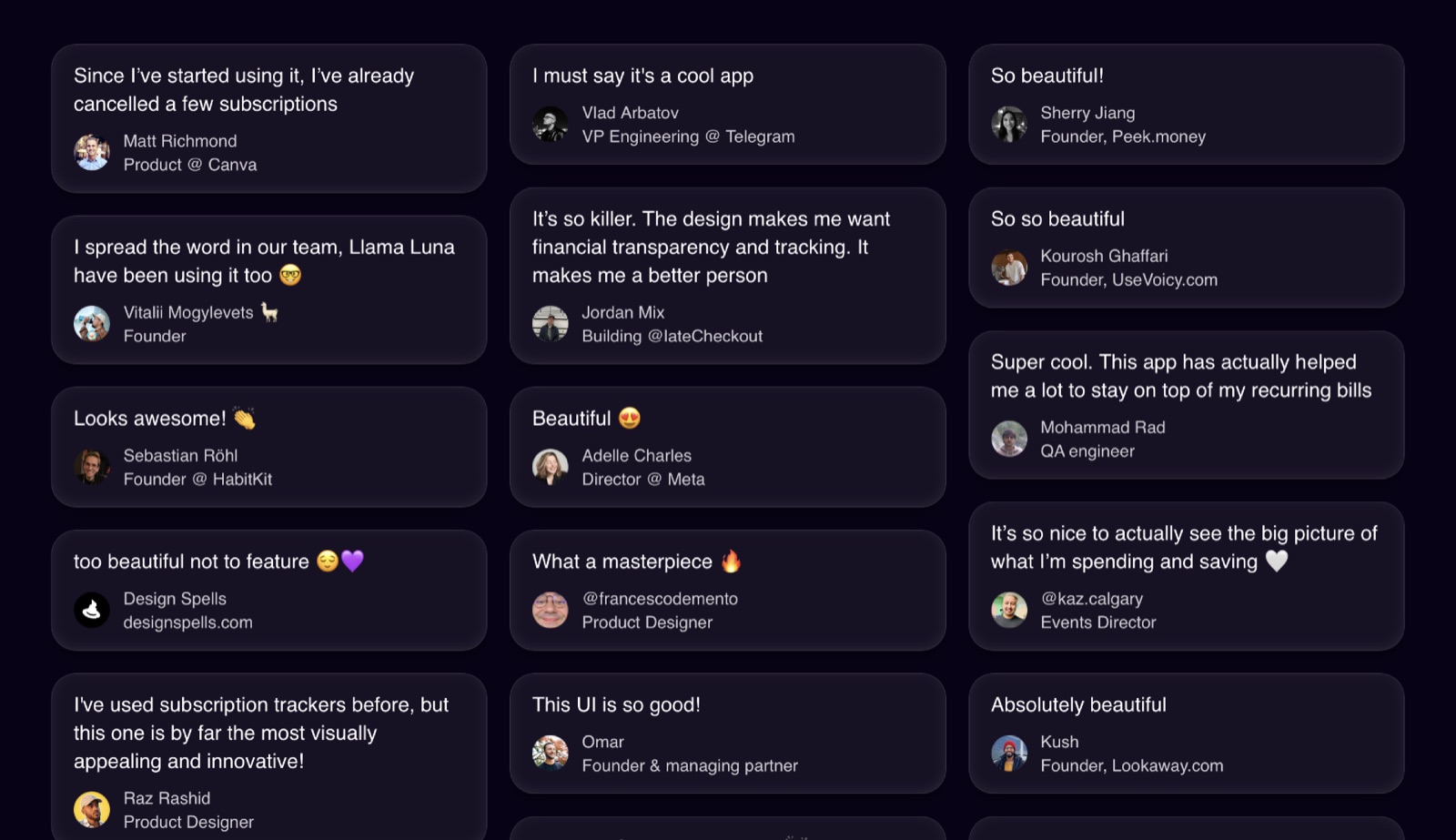
How did Orbit win in a crowded niche?
The question I always ask myself, because there are 1,000 apps that do the same thing.
My approach
- Built the business with a Designer POV
- Craft as the competitive advantage
- Balance between Native + Custom
- Fully embraced building with AI
- Make a product that does one thing well
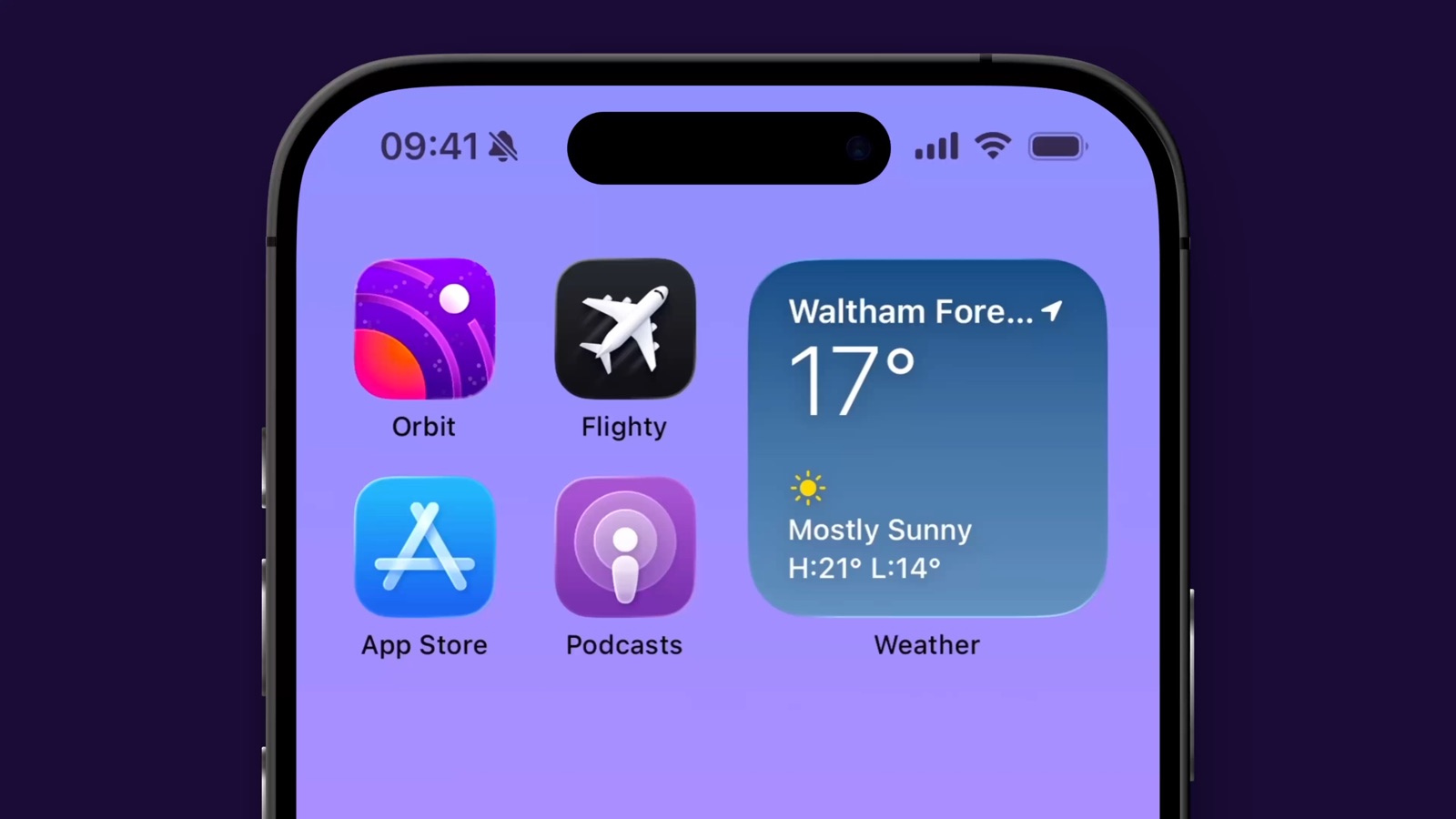
Flighty feels like it should be pre-installed on the iPhone, which is the quality bar I wanted to aim for.
Nothing in the middle felt available for people in tech like me. Bottom left are simple apps where you add expenses manually. The top end, with more resources, allow you to use open-banking to connect your bank accounts and pull everything in automatically. Orbit's audience wanted both, depending on the region, so I started exploring what I could do with limited resources: a premium, semi-automated gap in the market.
The AI journey
It still blows my mind to see this GitHub graph as a designer. I never, ever imagined I'd ever be able to contribute like this. Truly an excellent time to design.
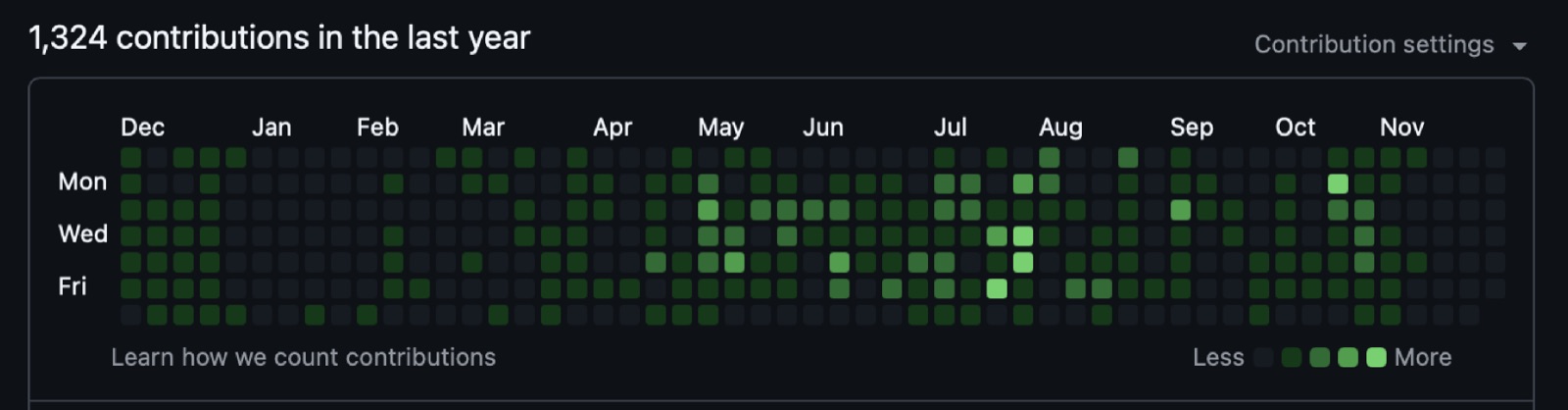
Challenges, early days
- Coding models in June 2024 were nascent
- Rebuilt functionality as LLMs progressed
- Learning to become more technical
- No idea what I was doing, but I had a belief and nothing to lose
A different approach
Figma became a place for early thoughts and directions, not the final output.
Iterating and executing straight in code. Prototyping and sharing demos continuously with customers. Nurturing my advocates — I grew a Discord to ~320 people, decreasing time to feedback with customers.
Iterating more, I started to see how we could simplify the crazy initial idea.
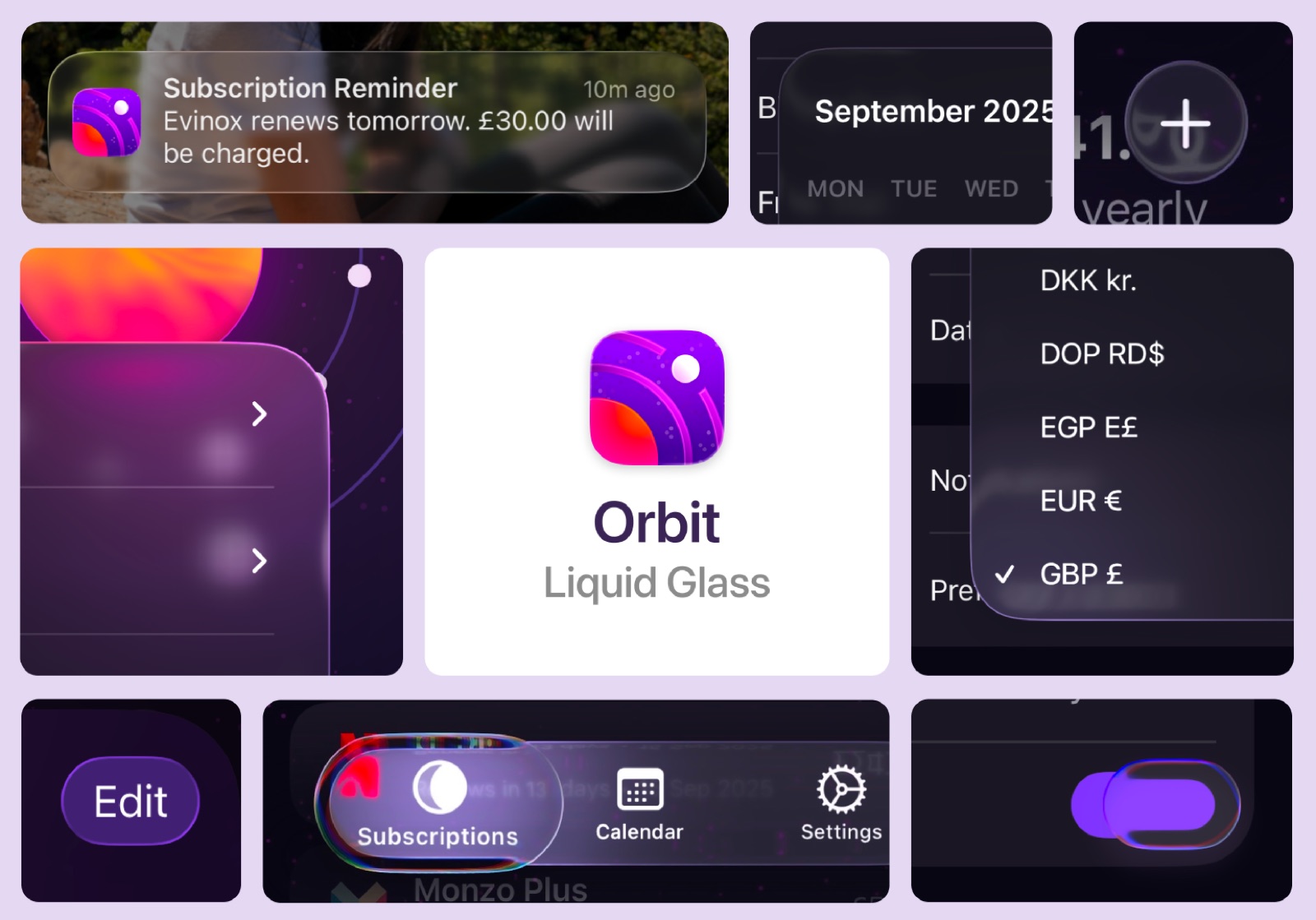
Eventually I got to a stage and felt like the quality bar was something I could be happy with. The arrival of Liquid Glass was a significant moment for the quality bar of Orbit, after months of iteration in code and some Figma.
Designing Magic Import
One of the key features of Orbit is called Magic Import. It essentially allows you to find your subscriptions, track them and understand how much you're paying in the main app. You can upload a bank statement, CSV or even a screenshot, and it'll sort it all out for you — a blend between completely manually tracking and connecting your bank account like the bigger players.
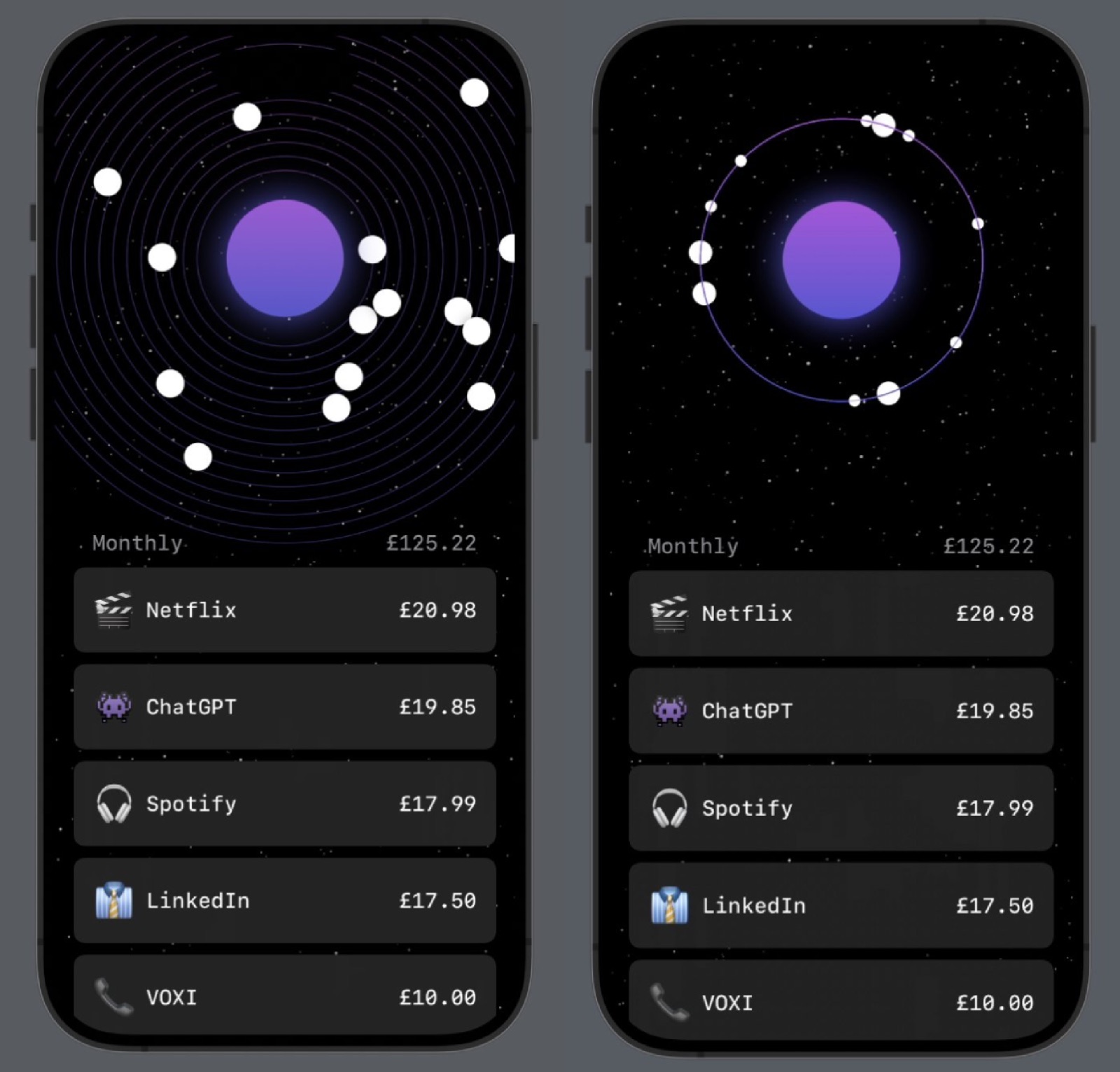
It uses Apple's Metal framework to accelerate performant graphics on device. Orbit does three things: helps you find subscriptions, understand your spending, and stay on top with reminders.
Find subscriptions
Understand your spending
Stay on top with reminders
There is so much complexity baked into this, which customers have no idea about — which I love, I love how secretly robust it is. I could have just 'whacked everything in an LLM', but that would have been a sub-par experience, cost and product.
Privacy Protection
Sensitive data like names and account numbers are redacted on-device before any text is sent externally.
Text Extraction
Vision framework scans the document and preserves its structure as readable text.
AI Extraction
Gemini extracts subscription details — name, price, billing cycle, category — into a structured format.
Logo Enrichment
Cleaned brand names are used to fetch logos from a 15M+ brand database.
End result
- Private by design
- Cheaper business run costs (less tokens)
- Faster experience
Iterations and experiments
Tested onboarding flows and paywall variations. Learned that conversion varies dramatically by market: some regions buy immediately, others need more time with the product before committing.
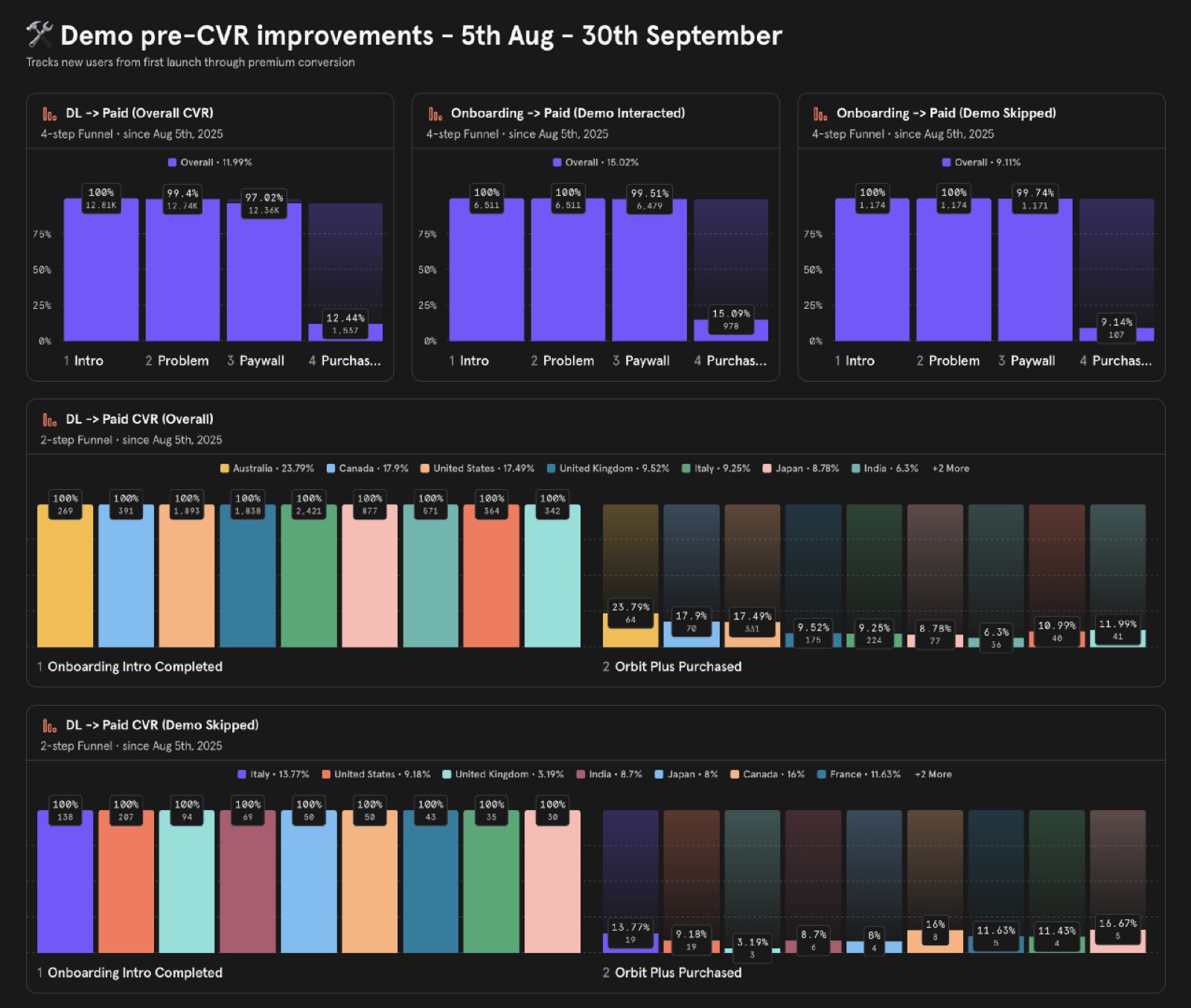
You can see the months of effort in simple data — the power of building a product with customers. We had a good launch, but as expected went into the trough of sorrow, as they call it in a product lifecycle. We only came out of it by co-designing Orbit with customers, not for them: constantly shipping with customers, presenting them demos and working with them to refine the product.
Learnings & reflections
Using what you build enhances quality 1,000x.
It feels like I did 10 bootcamps in one going through this process: sales, customer support, marketing, brand, increasing revenue, conversion. It was the journey of a lifetime.